Tree Cabling and Bracing for Weak Forks and Limbs
Cabling and bracing add support to a tree that is worth keeping but has a structural weakness. A steel or synthetic cable is installed high in the crown to limit how far two stems or large limbs can move apart, and threaded rods through a trunk can hold a crack or a weak union together. The aim is to lower the chance of a split, not to keep a failing tree standing forever.
Describe the job and add your city. Free to request, no obligation.
The classic case is a tree with two trunks of similar size joined in a tight V. Bark gets squeezed between the stems, the union is weak, and wind or a heavy load of snow or ice can tear it apart. Other candidates include long, heavy limbs that overhang a house and mature trees that have already lost a section.
Cabling is rarely done alone. Pruning to reduce the weight at the end of the limbs is usually part of the plan, and the hardware must be checked every few years because trees grow and cables can wear. A decayed, dead or severely leaning tree is not a cabling job.
What the work includes
- Inspection to confirm the tree is sound enough to support
- Installing cables high in the crown, usually at about two thirds of the height of the weak union
- Rods or braces through splits or tight forks where needed
- Pruning to reduce weight on the weak stem or limb
- Hardware selected for the load and the tree's growth
- Notes on the position of every cable installed
- A recommended inspection schedule
- Cleanup of prunings from the work
Trees that may benefit from support
Two stems of about equal size joined at a narrow angle with bark trapped between them
A long limb stretching over a roof or play area with a visible sag
A crack at a fork that has opened a little more each year
A tree that has already lost one big limb and has others in similar positions
A valuable specimen tree, such as a heritage oak or maple
Old cables that have sunk into the wood or hardware that looks rusted
How the work goes, step by step
Describe the weak spot
Send photos of the fork or limb, and explain what is under the tree and why you want to keep it.
Is it a candidate?
The specialist checks for decay, cracks and root health. If the tree is too far gone, removal may be the honest answer.
Design the support
Cable height, number and type are chosen, and pruning is planned to reduce the load.
Written quote
Hardware, pruning, access method and later inspections are all itemized.
Installation and follow-up
The system goes in, locations are recorded and a time for re-checking is set.
What changes the price
- Height of the tree
- Cables go high in the crown, so tall trees need more climbing or lift time.
- Number of cables
- A single fork is a simple job, but a heavy multi-stem tree may need several.
- Accompanying pruning
- Weight reduction adds work but is generally part of a proper support plan.
- Cable type
- Steel and synthetic systems differ in cost and appearance.
- Access
- Fences, wires and buildings near the tree slow the setup.
- Re-inspection
- Periodic checks of existing hardware are priced separately from the first installation.
What a good quote spells out
- Whether the tree is a sound candidate, or whether removal would be the safer choice
- How many cables or rods, where they go and what type of hardware is used
- Pruning included to reduce the load on the weak union
- How often the hardware should be inspected and who does it
- Whether the support is meant as a long-term fix or a bridge to eventual removal
Cabling & Bracing: questions people ask
Does cabling hurt the tree?
Properly installed cabling in the upper crown does little harm, since it uses flexible links and leaves the trunk intact. Rods drilled through a trunk do cause some injury, so they are used only where needed.
How long does tree cabling last?
Systems usually need an inspection every few years, and the hardware may have to be adjusted or replaced as the tree grows. Cabling is not a one-time cure.
Is cabling a guarantee the tree won't fail?
No. It reduces the chance of failure at the weak point but does not address decay elsewhere in the tree or the effect of storms. Good advice includes regular checks.
When is removal better than support?
When the tree has serious decay, a failing root system, a severe lean or is already dead. Cabling a tree like that may only delay the problem, so a sound assessment comes first.
Other Turnex services
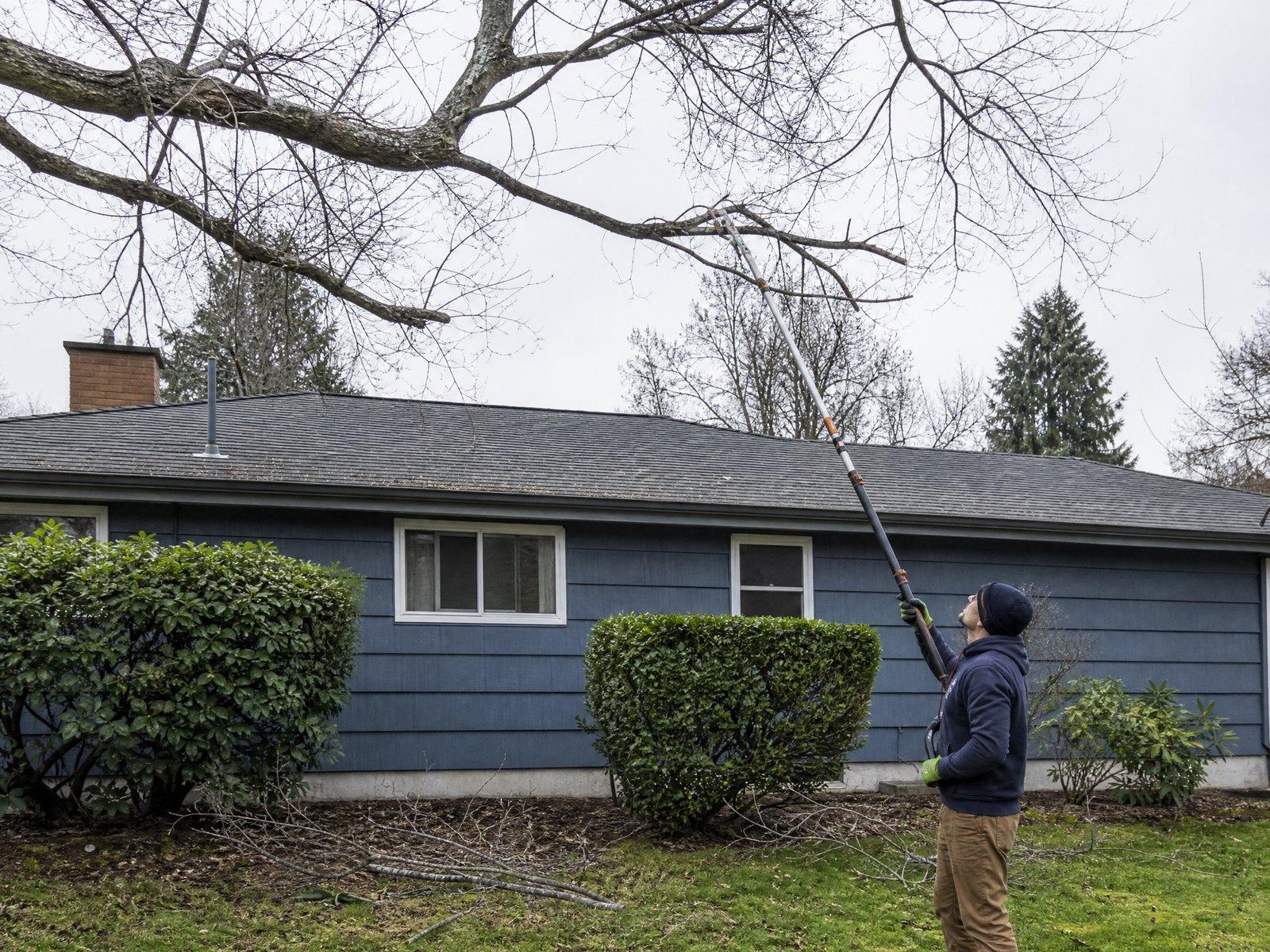
A Tree That Needs Work? Get It Looked At.
Fill out the quote form with your city and a short description of the tree. A local specialist follows up to look at the job and give you a written quote. Free to request, no obligation.
Request a free quote →