Stump Grinding: Getting Rid of the Stump for Good
Stump grinding chips a stump and the top of its main roots into mulch, usually to a few inches below ground level. It is the usual choice after a tree has been cut down, because digging a stump out leaves a large hole and takes much longer. Once ground, the spot can be filled with soil and seeded, planted or built over.
Describe the job and add your city. Free to request, no obligation.
A ground stump is not completely gone. Roots further out stay in the soil and will rot over time, and some species sprout new shoots from remaining wood. Depth matters if you plan to plant another tree in the same place or pour a patio, so say so in your request.
Stumps look similar but behave very differently. Hardwood is slow to grind, a wide stump has a lot of chips, and a stump beside a fence or a retaining wall may need a smaller machine. Buried gas, water, irrigation and electric lines near the spot should be located before grinding.
What the work includes
- Grinding the stump below grade, to a depth agreed in the quote
- Grinding surface roots that stick above the lawn
- Backfilling the hole with the wood chips, or with topsoil if arranged
- Optional haul-away of the chips from the property
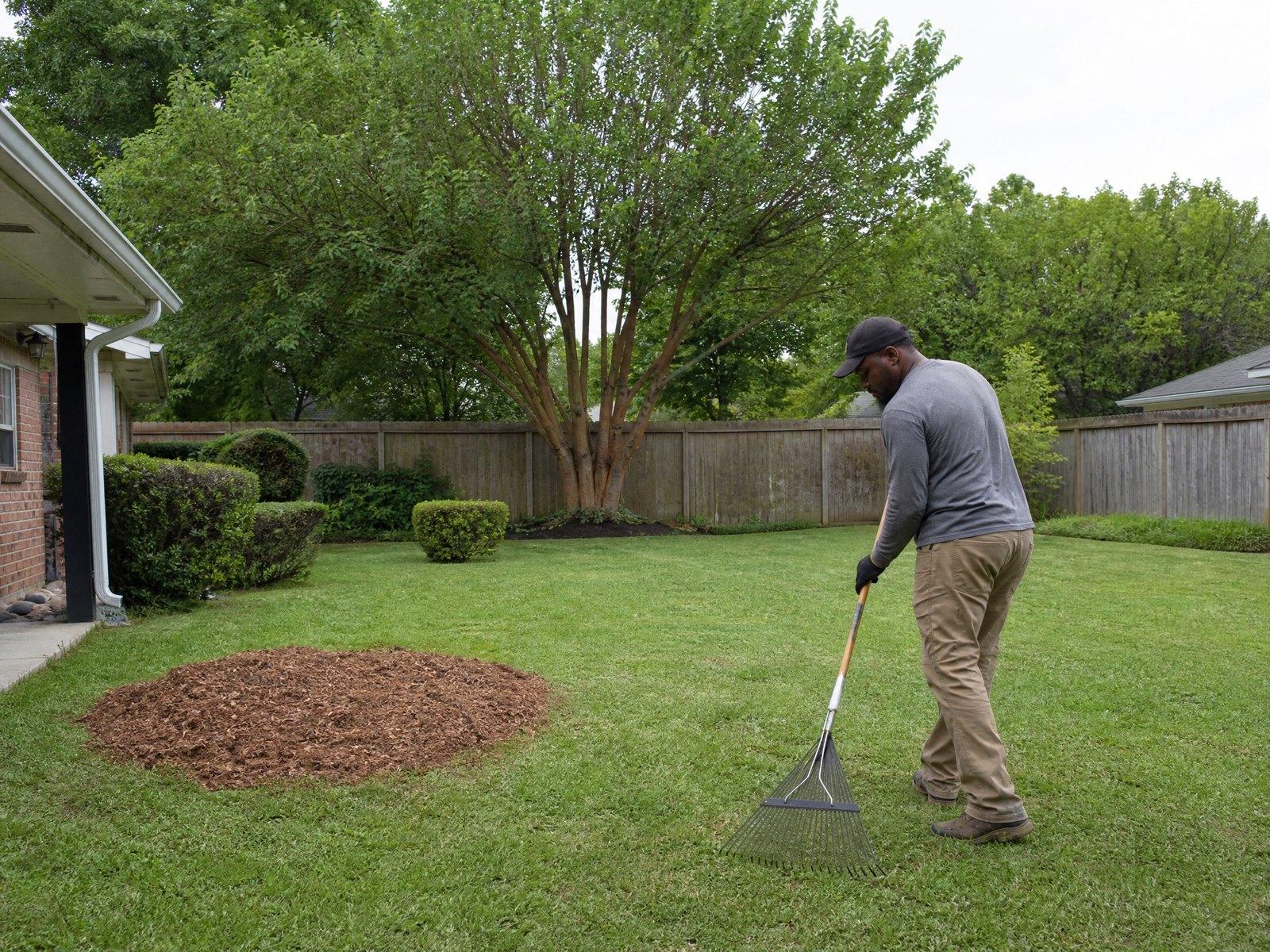
- Raking and cleanup so the area is level
- Care around fences, walls, sidewalks and patios
- A reminder to locate buried lines before the grinder starts
- Multiple stumps in one visit, with a per-stump or per-job price
Reasons to deal with a stump
A stump in the way of mowing, a new patio, a fence or a driveway
Shoots and suckers coming up from the stump or its roots
A stump that holds moisture and attracts carpenter ants or termites
A tripping hazard in a yard used by children or older relatives
A planned replacement tree in the same spot
A stump after a recent removal that you would rather not leave to rot slowly
How the work goes, step by step
List the stumps
Note how many, their width, any large surface roots and how a machine would get to them.
Mark and check
Buried lines and obstacles are identified, and the grinding depth is agreed against your plans for the spot.
Quote with options
The written quote shows the price, depth and whether chips stay, go or are replaced with topsoil.
Grinding
The machine sweeps side to side across the stump until it is below the agreed level, then the top roots are cut away.
Fill and finish
The hole is filled and leveled so you can seed or plant, with a short walkthrough.
What changes the price
- Stump diameter
- Many companies price by the inch across the stump, so width counts more than height.
- Hardwood or softwood
- Dense species like oak and maple wear down cutting teeth and take longer to grind.
- Number of stumps
- A second or third stump on the same visit costs less per stump than a lone job.
- Gate and yard access
- A narrow gate calls for a small stump grinder, and no machine access can mean hand work.
- Grinding depth
- Going deeper for a new tree or patio requires more passes and creates more chips.
- Chip handling
- Hauling chips and adding topsoil is a separate step from grinding.
What a good quote spells out
- How deep the stump will be ground, in inches, and why that depth suits your plans
- Whether surface roots are included or priced extra
- What happens to the chips and who fills the hole
- Whether the price is per stump, per inch or per job
- How buried lines will be checked before work starts
Stump Grinding: questions people ask
Does stump grinding remove the roots?
Only the top of the main roots. The grinder follows roots that are near the surface, but the deeper network stays in the ground and decays over the years. That is enough for most lawns and patios, though not for a large new foundation.
Can you plant a tree where a stump was ground?
Yes, once the chips are removed and replaced with soil. The new tree should go in fresh soil, since a mass of decaying chips holds moisture and can starve young roots of nitrogen. Mention your plan so the depth fits.
How long should you wait before laying sod or seeding over the spot?
Fill the hole with soil, firm it down and seed or lay sod once it settles. Chips left in the hole sink as they rot, so topping up later is common.
Is grinding better than pulling out the whole stump?
For most homes, yes. Full removal digs a big crater, damages the lawn and takes more time, so it is saved for jobs where something needs to be built on the exact spot.
Other Turnex services
A Tree That Needs Work? Get It Looked At.
Fill out the quote form with your city and a short description of the tree. A local specialist follows up to look at the job and give you a written quote. Free to request, no obligation.
Request a free quote →