Brush Removal and Lot Clearing for Yards and Small Lots
Brush removal and lot clearing cut back overgrown shrubs, thickets, small trees and fallen wood so a yard, fence line or small lot becomes usable again. The work usually involves chainsaws, brush cutters, a chipper and a truck, and sometimes a skid steer or stump grinder when stumps need to go as well.
Describe the job and add your city. Free to request, no obligation.
People ask for it when a back corner has been taken over by buckthorn or sumac, a fence line is hidden by vines, a lot has been neglected for years, or a patch of ground is being prepared for a shed, pool, garden or addition. The question that matters is what stays and what goes, because a cleared lot looks very different from a lot with selected trees saved.
What happens afterward drives the cost. Material can be chipped and spread, burned where allowed, piled for pickup or trucked away, and stumps can be ground, pulled or left. Ground left rough is cheaper than ground raked level for seeding.
What the work includes
- Cutting brush, saplings and invasive growth
- Removing fallen trees and dead wood
- Pulling vines off fences, trees and structures
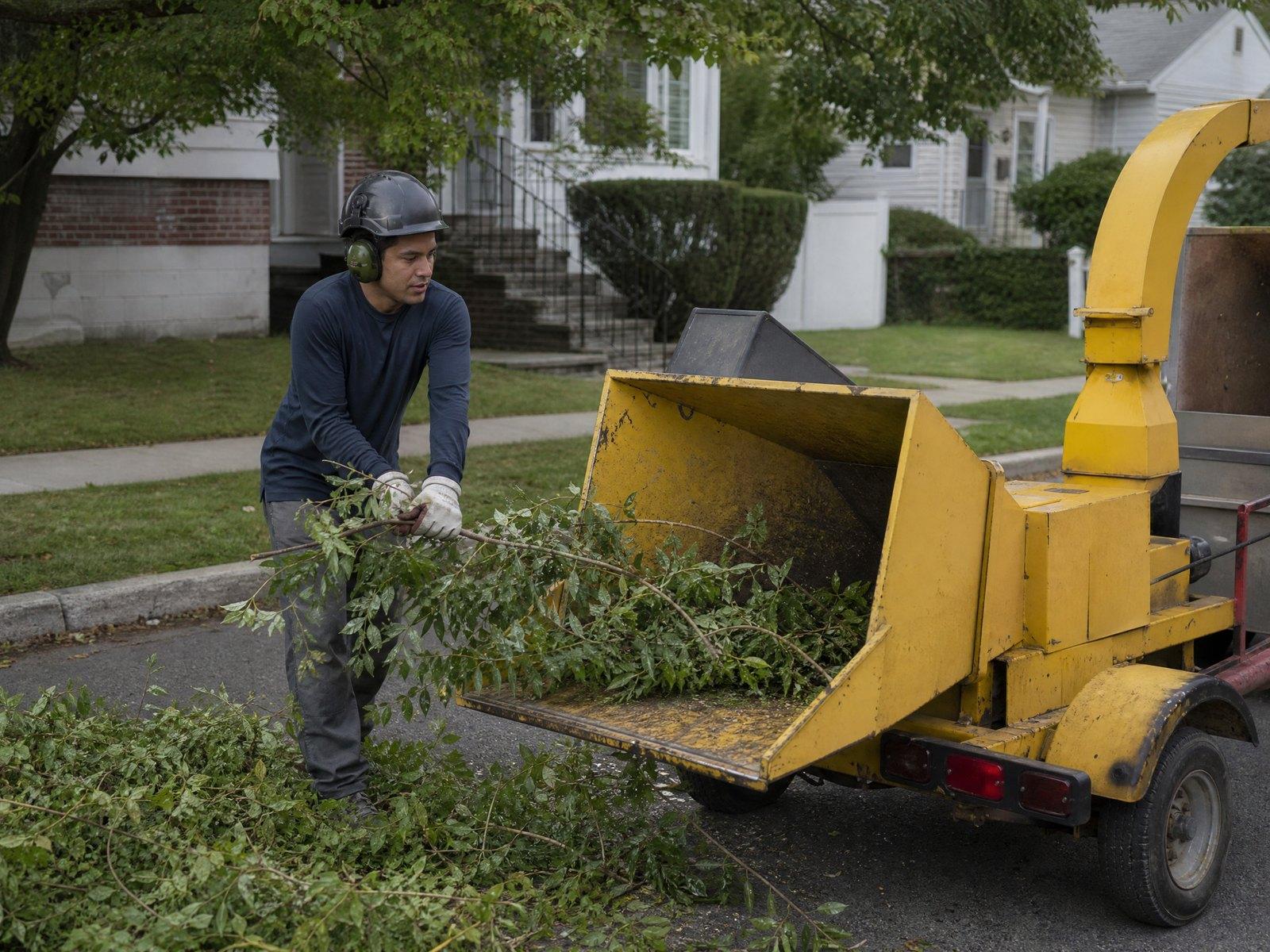
- Chipping, stacking or hauling away the cut material
- Grinding or pulling stumps where requested
- Protecting trees and plants that are meant to stay
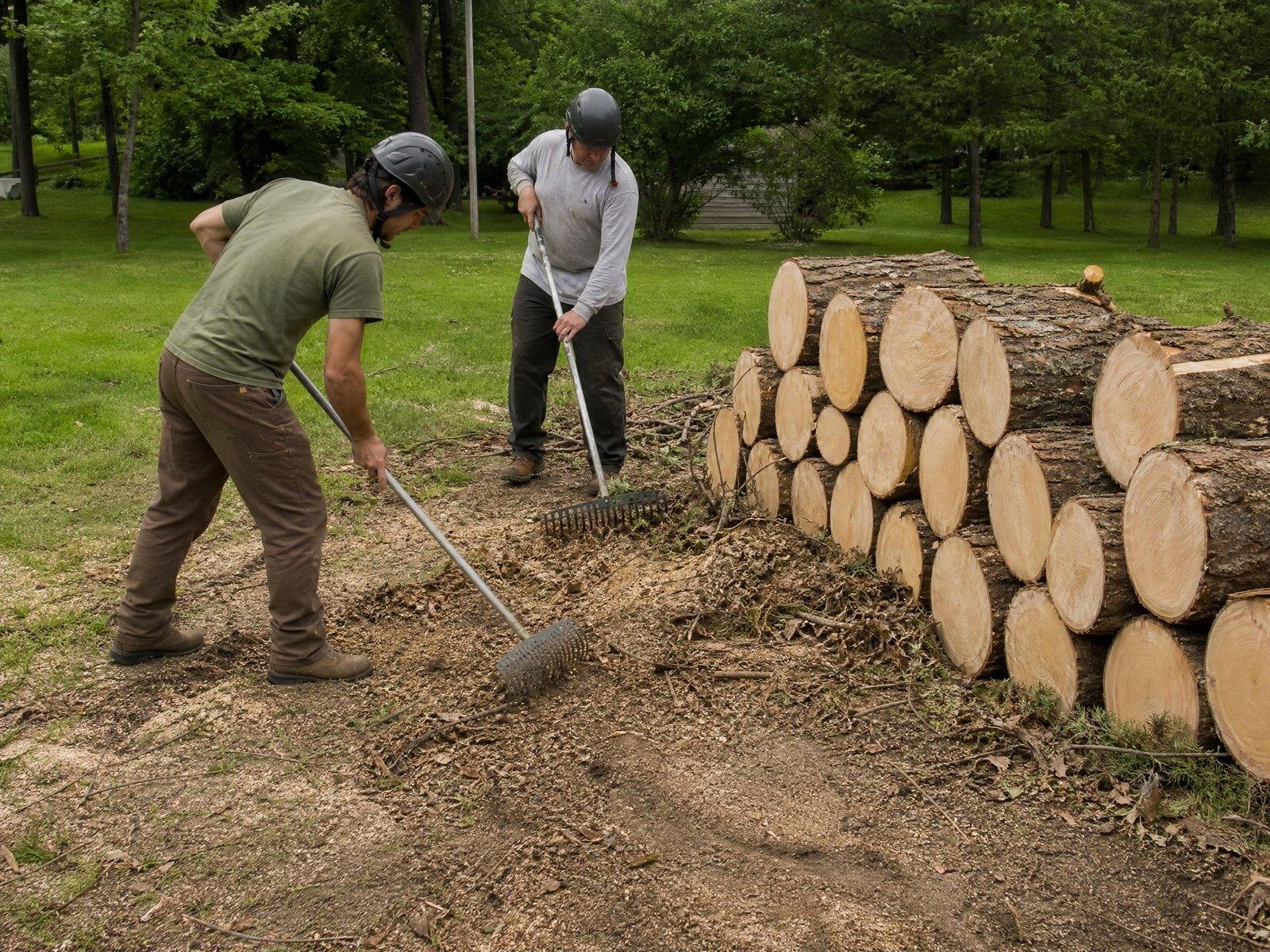
- Raking or rough leveling of the cleared ground
- Marking the boundaries of the cleared area before starting
When a yard or lot needs clearing
Fence lines swallowed by shrubs, vines and fast-growing saplings
Invasive plants spreading, such as buckthorn, Japanese knotweed or Russian olive
A backyard where trees and brush block light, views or access
Dead trees and fallen limbs piling up in a wooded back section
A property about to be sold, rented or built on
Tall brush hiding hazards like rubble, holes or old fencing
How the work goes, step by step
Describe the area
In the form, give the approximate size, what grows there, what must stay and what you want to do with the space.
Site look
A specialist walks the area, spots protected trees, wet ground and hidden hazards, and decides on equipment.
Scope and boundaries
The cleared area is defined on the ground or on a sketch, with the trees and plants that stay marked.
Written quote
Cutting, stump work, disposal and the final condition of the ground are listed.
Clearing and cleanup
Material is cut and handled as agreed, and you check the result against the marked boundaries.
What changes the price
- Area and density
- A thick stand of brush takes much longer to cut and chip than a light covering.
- Tree sizes
- Small saplings are quick, while trunks of several inches across need real cutting and hauling.
- Stump handling
- Leaving stumps costs the least, while grinding or pulling them adds machine time.
- Disposal
- Chipping on site, hauling to a yard waste site and burning are each priced differently.
- Access and slope
- A steep slope or a site that equipment cannot reach means more hand work.
- Finish level
- Raked and seed ready costs more than leaving the ground rough.
What a good quote spells out
- A map or markings of the area to be cleared and the trees to be saved
- What happens to stumps, whether ground, pulled or left
- Where the brush goes: chipped and left, spread or hauled away
- The final condition of the ground and whether it is raked for seed
- Handling of invasive plants so they do not regrow or spread from cut material
Lot Clearing & Brush Removal: questions people ask
Does brush clearing on private land need a permit?
Often not for ordinary brush, but there are exceptions. Larger trees, protected species and land near streams or wetlands may be covered by local rules, so ask your city before clearing large areas.
Can the brush be chipped and used as mulch?
Yes, in many cases. Chips can be spread on beds or left in a pile for you. Some invasive plants should be bagged or hauled rather than chipped, since seeds and cuttings can spread.
What is the difference between brush clearing and land clearing?
Brush clearing deals with shrubs, small trees and undergrowth. Land clearing for a building site involves large trees, stumps, grading and often excavation equipment, and is a bigger project.
Will the brush grow back after clearing?
Many species resprout from roots and stumps. Cutting just once rarely ends the problem, so follow-up cuts, treating stumps or planting something desirable in the space help keep it clear.
Other Turnex services
A Tree That Needs Work? Get It Looked At.
Fill out the quote form with your city and a short description of the tree. A local specialist follows up to look at the job and give you a written quote. Free to request, no obligation.
Request a free quote →